Beaded Snake - Viet Snake Rescuer

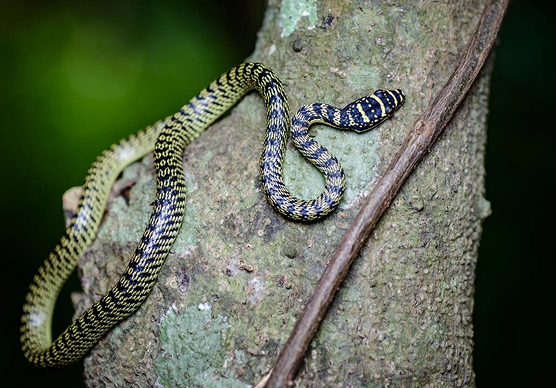
Beaded Snake

Chrysopelea ornata

  • Poisonous
  • Do not touch.
  • Snake repellent is ineffective.

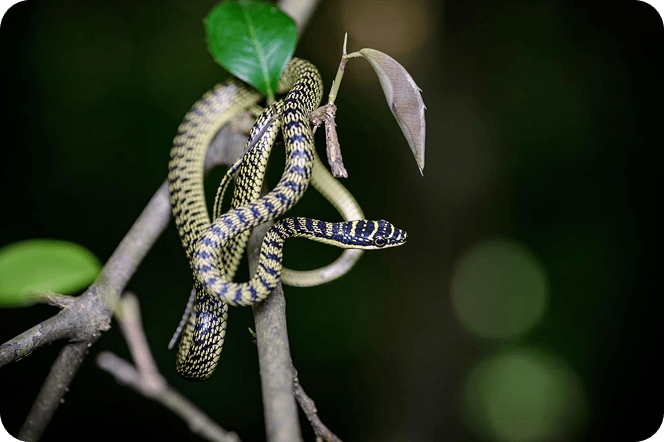
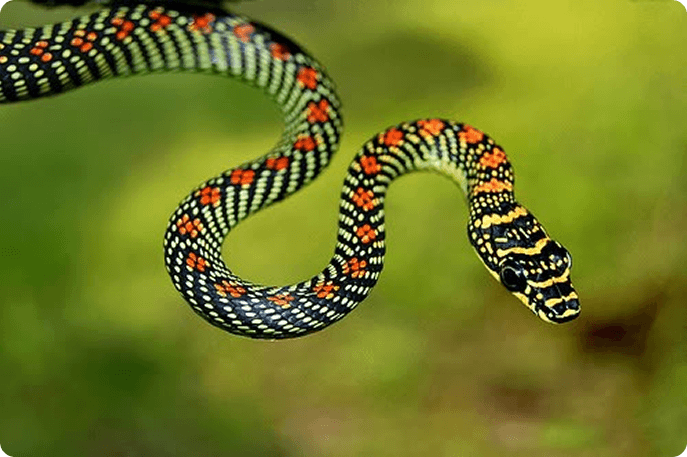
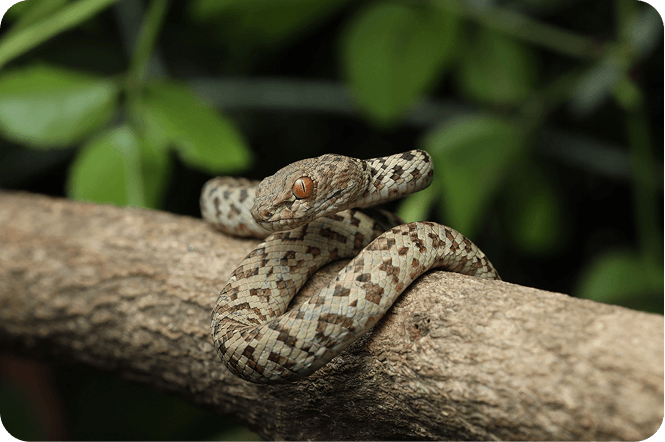
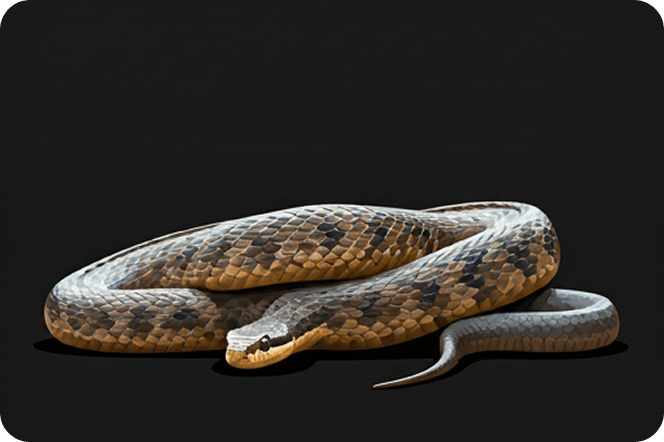
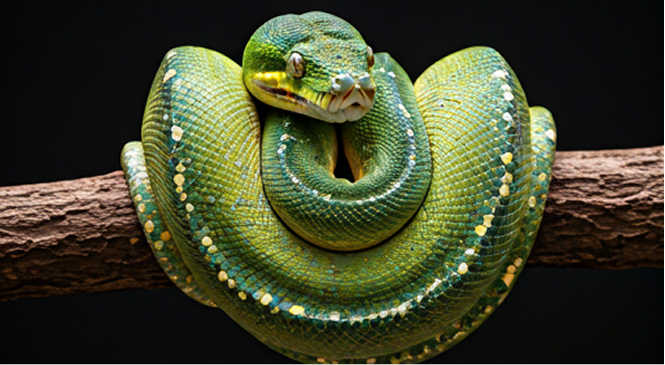
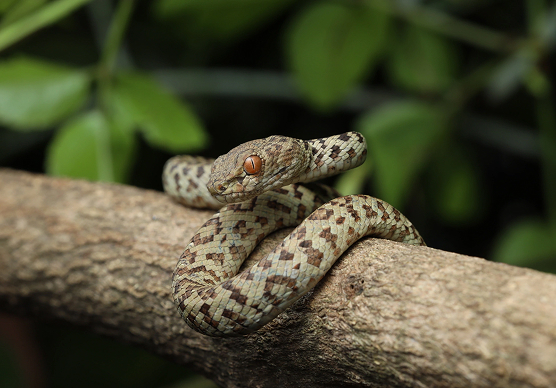
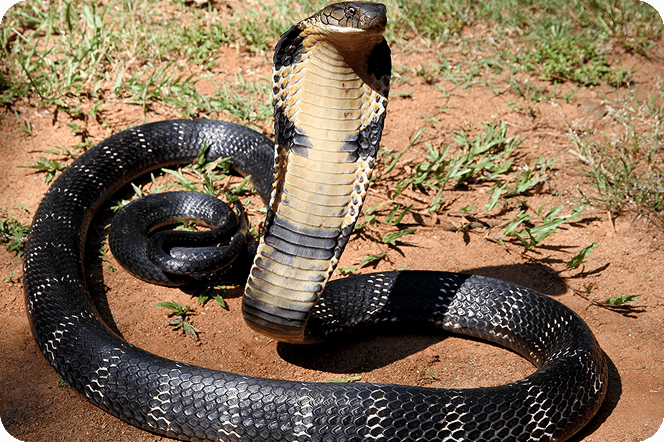
A common species of viper in Vietnam, characterized by its bright green color and white stripes running along both sides of its body. This species has venom that destroys blood cells, so extreme caution is needed when observing it.

Beaded Snake

Habitat: Adult snakes average 60–100 cm in length and live primarily in dense, damp, wooded areas. Females are generally larger than males.
Behavior: The head is distinctly triangular, with a easily distinguishable constricted neck. The entire body is covered in small scales, and the eyes are yellow or orange with vertically elliptical pupils – characteristic of pit vipers.

Diet: Small snakes, insects, and amphibians.

Reproduction: A pale white or yellow stripe runs along the outermost row of scales on the body (more pronounced in males).

Defense status: The caudal peduncle is brick red or reddish-brown. This is an important distinguishing feature.
Lorem Ipsum is simply dummy text of the printing and typesetting industry. Lorem Ipsum has been the industry’s standard dummy text ever since the 1500s, when an unknown printer took a galley of type and scrambled it to make a type specimen book. It has survived not only five centuries, but also the leap into electronic typesetting, remaining essentially unchanged. It was popularised in the 1960s with the release of Letraset sheets containing Lorem Ipsum passages, and more recently with desktop publishing software like Aldus PageMaker including versions of Lorem Ipsum.

Lorem Ipsum is simply dummy text of the printing and typesetting industry. Lorem Ipsum has been the industry’s standard dummy text ever since the 1500s, when an unknown printer took a galley of type and scrambled it to make a type specimen book. It has survived not only five centuries, but also the leap into electronic typesetting, remaining essentially unchanged. It was popularised in the 1960s with the release of Letraset sheets containing Lorem Ipsum passages, and more recently with desktop publishing software like Aldus PageMaker including versions of Lorem Ipsum.

1

Reassure the victim

Keep the victim still and limit movement to slow the spread of the venom. Do not allow the victim to walk around.
2

Immobilize the wound.

Clean the bite wound with soap and water. Apply a light compression bandage (not a tourniquet) above the bite, keeping the bitten area lower than the heart.
3

Go to a medical facility.

Transport the victim to the nearest hospital as soon as possible. If possible, take a picture of the snake so the doctor can identify the appropriate antivenom.
DO NOT cut the wound, DO NOT suck out the venom, DO NOT apply folk remedies.

Lorem Ipsum is simply dummy text of the printing and typesetting industry. Lorem Ipsum has been the industry’s standard dummy text ever since the 1500s, when an unknown printer took a galley of type and scrambled it to make a type specimen book. It has survived not only five centuries, but also the leap into electronic typesetting, remaining essentially unchanged. It was popularised in the 1960s with the release of Letraset sheets containing Lorem Ipsum passages, and more recently with desktop publishing software like Aldus PageMaker including versions of Lorem Ipsum.

Lorem Ipsum is simply dummy text of the printing and typesetting industry. Lorem Ipsum has been the industry’s standard dummy text ever since the 1500s, when an unknown printer took a galley of type and scrambled it to make a type specimen book. It has survived not only five centuries, but also the leap into electronic typesetting, remaining essentially unchanged. It was popularised in the 1960s with the release of Letraset sheets containing Lorem Ipsum passages, and more recently with desktop publishing software like Aldus PageMaker including versions of Lorem Ipsum.v

SPECIES INFORMATION

Surname:
Viperidae
Snake species:
Trimeresurus
Species:
T. albolabris
Common name:
Chrysopelea ornata
Nameplate:
Beaded Snake

Distribution area

Paracel Islands
Spratly Islands
Habitat: Adult snakes average 60–100 cm in length.
Behavior: The head is distinctly triangular, the neck is yellow or orange, and the pupils are vertically elliptical.